
The Secret to a Flawless Finish: Preparing Your Guelph Home for Exterior Painting
A fresh coat of paint does more than just boost your home's curb appeal; it’s a crucial layer of protection against the elements. Here in Guelph, our homes face everything from humid summers to freezing winters, and that variable weather can take a toll on any exterior surface. Many homeowners believe the magic of a great paint job is in the final coat, but the real secret to a beautiful, long-lasting finish lies in what happens before the first can of paint is even opened: meticulous preparation.
Skipping or rushing the prep work is one of the most common reasons for paint failure, leading to peeling, cracking, and bubbling within just a year or two. Proper preparation ensures the new paint adheres correctly, looks smoother, and provides maximum protection for your investment. In this guide, we’ll walk you through the essential steps a professional team takes to prepare a home for exterior painting, ensuring a result that not only looks fantastic but also stands the test of time.
Step 1: A Clean Slate is a Must
You wouldn't paint a dirty interior wall, and the same principle is even more critical for your home's exterior. Over the years, surfaces collect a stubborn layer of dirt, pollen, mildew, and chalky residue from old paint. Painting over this grime is a recipe for disaster, as it prevents the new paint from forming a strong bond with the surface.
That’s why the first step in any professional exterior painting project is a thorough cleaning. For most surfaces like vinyl, aluminum, and wood siding, a carefully controlled pressure washing is the most effective method. This process removes all the built-up contaminants that could compromise the paint job. It’s a delicate balance; the pressure needs to be strong enough to clean effectively but gentle enough to avoid damaging the siding, window seals, or forcing water into the walls. This initial cleaning creates the perfect, pristine surface necessary for superior paint adhesion and a uniform finish.
Step 2: Repairing and Smoothing Surfaces
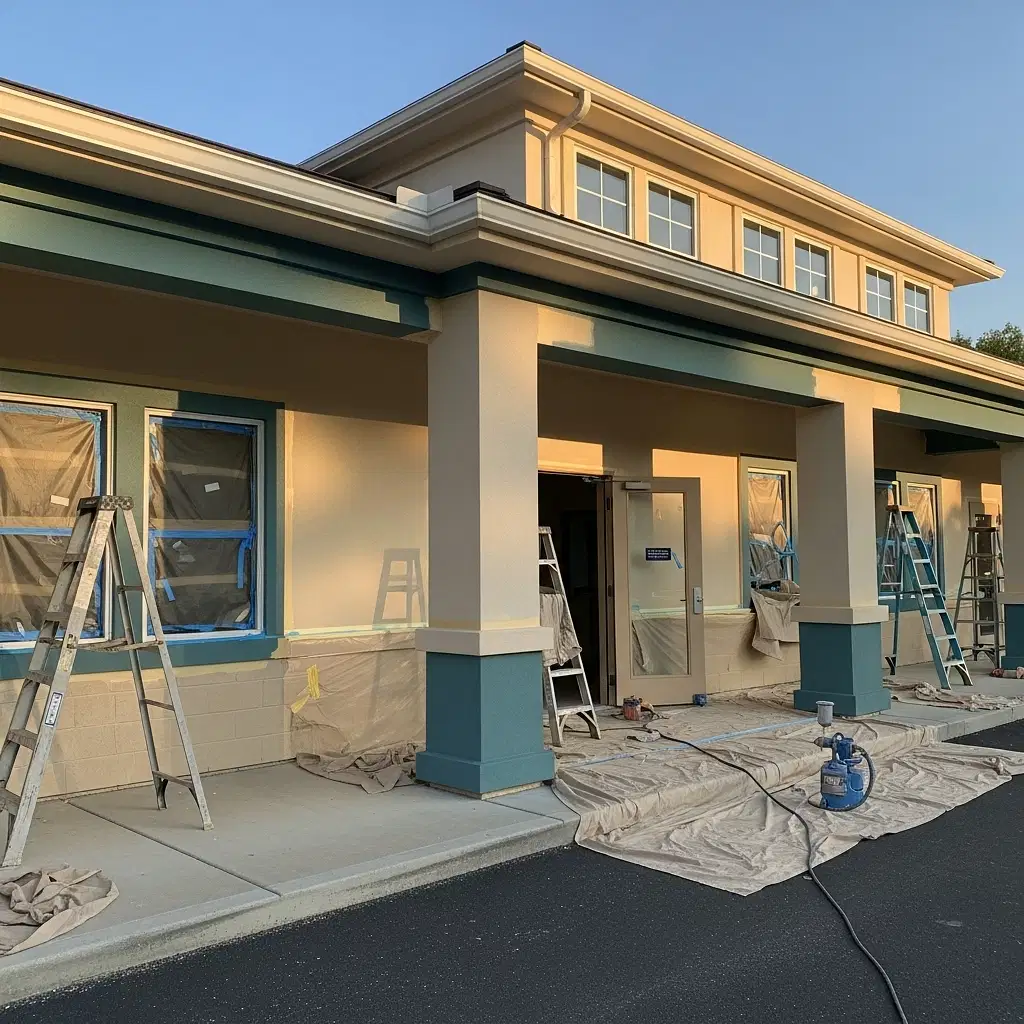
Once the house is clean and has had ample time to dry, the next phase is a detailed inspection and repair of the surfaces. This is where true craftsmanship makes a difference. Simply painting over existing problems like peeling paint, cracked caulking, or rotting wood will only hide them temporarily; they will quickly reappear and ruin your new finish.
A professional crew will meticulously address these issues by:
- Scraping and Sanding: Any loose or peeling paint is carefully scraped away, and the edges are sanded to create a smooth, seamless transition between the old and new layers. This prevents the texture of the old, damaged paint from showing through.
- Addressing Wood Rot: For homes with wood siding or trim, any soft or rotting sections are repaired or replaced to ensure the structural integrity of the surface.
- Caulking Gaps: Old, cracked, or failing caulk around windows, doors, and trim is removed. New, high-quality exterior caulk is then applied to seal gaps and cracks, preventing moisture from getting behind the siding and creating a more energy-efficient home.
- Filling Imperfections: Small holes, dents, or other imperfections on the siding are filled and sanded smooth.
This stage is especially critical for the beautiful heritage homes found throughout Guelph. Preserving their character requires a gentle but thorough approach to ensure the original materials are protected while creating a sound surface for painting.
Step 3: Priming for Perfection and Durability
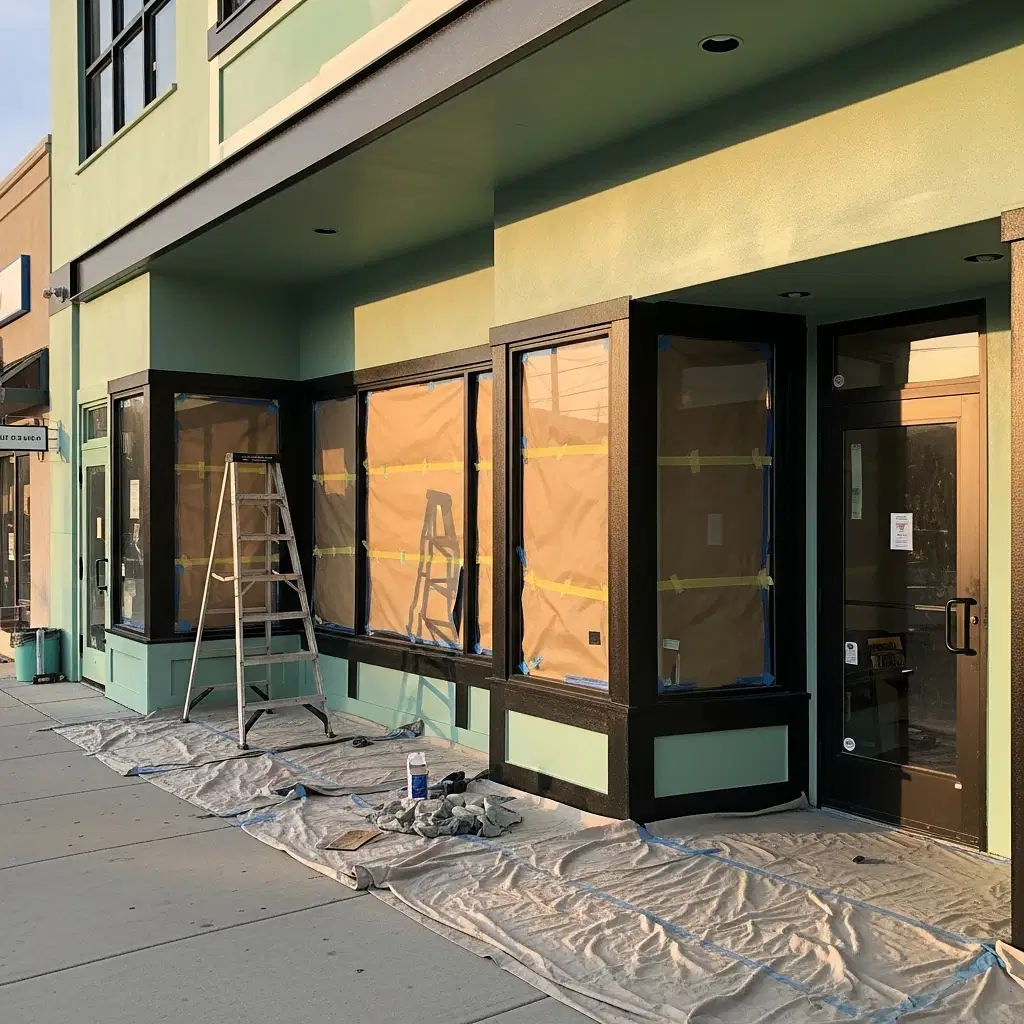
With the surfaces clean, dry, and smooth, it’s tempting to jump straight to the colour. However, priming is a non-negotiable step for a high-quality, durable finish. Primer serves several essential functions:
- Ensures Adhesion: It creates a stable base for the topcoat to stick to, which is especially important on bare wood, repaired areas, or slick surfaces.
- Blocks Stains: Primer can seal in stains from tannins in wood or rust, preventing them from bleeding through the new paint.
- Improves Colour Uniformity: It creates an even, neutral base so that your chosen paint colour looks rich and true, often reducing the number of topcoats needed.
Different surfaces require different types of primer. For example, bare wood needs a stain-blocking primer, while metal surfaces require a rust-inhibiting one. For porous surfaces like brick or masonry, a specialized primer or sealer is key before applying a product like brick and masonry staining to ensure it soaks in evenly and lasts for years. A professional painter will know exactly which primer is best for each part of your home, ensuring a flawless and long-lasting result.
The Osika Contracting Promise: Preparation is Everything
As you can see, a successful exterior paint job is built on a foundation of careful and thorough preparation. It’s a detailed, multi-step process that requires expertise, the right tools, and a commitment to quality. When you skip these steps, you're not saving money—you're just setting yourself up for a more expensive repair down the road.
At Osika Contracting, we believe that our meticulous preparation process is what sets us apart. We treat every home in the Royal City with the care it deserves, ensuring every surface is perfectly prepped before we apply the first drop of paint. This commitment to quality is why we can confidently offer a 3-year warranty on our work.
If you’re ready to enhance your home's curb appeal and protect it for years to come, trust the team that gets the details right. Contact us today for a free, no-obligation estimate for your exterior painting project in Guelph.